
Dispatch
One continent, three oceans: North America's maritime gateways
North America touches three oceans, the Arctic, the Pacific and the Atlantic, with the Gulf of Mexico and the Caribbean to the south. Its ports and waterways decide how goods reach the world, and how the world reaches the continent.
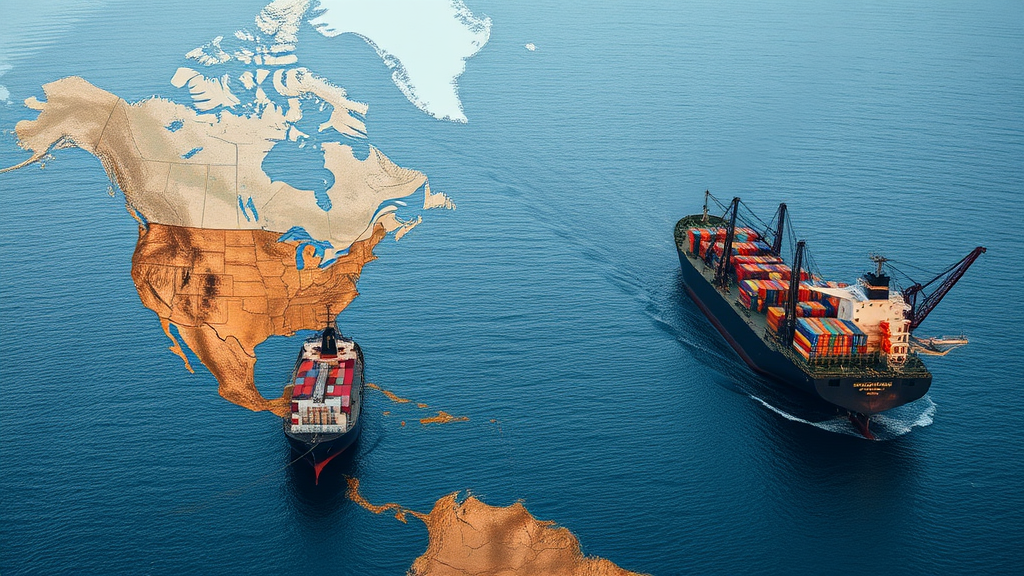
Pacific gateways link the continent to Asia, from British Columbia to Mexico's Pacific coast.
The St. Lawrence Seaway carries ocean shipping into the Great Lakes, deep into the continent.
Gulf ports anchor energy and petrochemical trade from Texas to Veracruz.
Arctic routes are seasonal, but northern ports are gaining strategic weight.
Why the oceans matter
Most of the continent's trade with the rest of the world moves by sea. Each ocean coast serves a different set of partners and cargoes, and inland rail and waterways tie them together into one system.
Seeing the continent through its coasts, rather than its borders, shows where capacity, congestion and opportunity sit.
The Pacific
Vancouver is Canada's largest port, and Prince Rupert offers one of the shortest sailings between North America and Asia. Los Angeles and Long Beach form the largest container port complex in the United States. In Mexico, Manzanillo is the busiest container port, and Lázaro Cárdenas connects Pacific trade to central Mexico by rail.
The Atlantic, the Gulf and the Caribbean
On the Atlantic, Halifax and the ports of the Northeast Corridor, including New York and New Jersey and Philadelphia on the Delaware River, serve Europe and beyond. The St. Lawrence Seaway brings ocean-going ships through Montréal into the Great Lakes.
In the Gulf, Houston anchors energy and petrochemical trade, and Veracruz is one of Mexico's oldest and busiest ports. Further south, the Panama Canal connects the Atlantic and Pacific trades.
The Arctic
Arctic shipping remains seasonal and demanding, but it is growing. The Port of Churchill on Hudson Bay is Canada's only deepwater Arctic port with a rail connection to the south. The Northwest Passage offers a shorter route between the Atlantic and Pacific in summer, though its legal status is disputed: Canada considers it internal waters, while the United States treats it as an international strait.
Ships operating in polar waters must meet the International Maritime Organization's Polar Code.