
Dispatch
The Arctic as a commercial frontier
The North is moving from the edge of the map to the center of continental strategy. Minerals, energy, ports, telecommunications and defense supply chains are all converging there, and Indigenous nations are central to how projects get built.
The Arctic Council brings together eight Arctic states and six Indigenous Permanent Participant organizations.
Modern land-claim agreements, such as the Nunavut Agreement, shape how projects proceed.
Major northern operations already include Red Dog in Alaska and Mary River on Baffin Island.
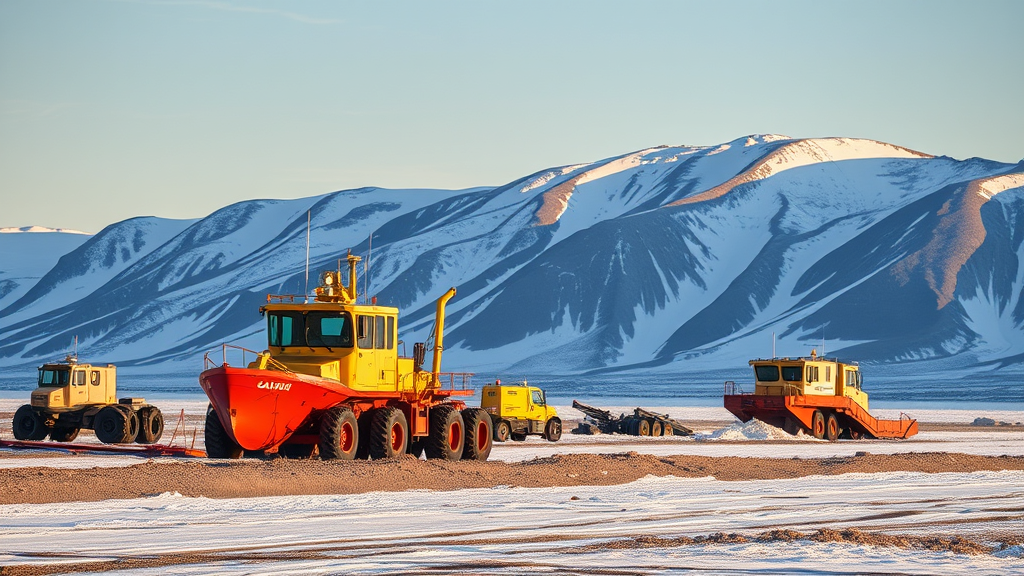
Infrastructure, not resources, is usually the binding constraint.
Why the North, why now
The North American Arctic, from Alaska across northern Canada to Greenland, holds minerals and energy that the whole continent now treats as strategic. Longer ice-free seasons are opening shipping routes, and security interests are driving new investment in infrastructure and communications.
Who decides
The Arctic Council is the main forum for cooperation among the eight Arctic states, including Canada, Denmark (for Greenland) and the United States, with six Indigenous organizations as Permanent Participants.
In Canada, modern land-claim agreements set the rules for land use and benefits. Under the Nunavut Agreement, major projects require Inuit impact and benefit agreements. Partnership with Indigenous nations is a condition of success, not an afterthought.
What is already operating
Red Dog in northwest Alaska is one of the world's largest zinc mines. Mary River on Baffin Island ships iron ore through a northern port. Prudhoe Bay has produced oil on Alaska's North Slope for decades.
The binding constraint: infrastructure
Ports, roads, power and broadband are scarce across the North, which raises costs and timelines for every project. Investment in shared infrastructure, often structured with Indigenous ownership, is where much of the commercial opportunity lies.